Feature Film Funding Complete Guide
Crowdfunding, equity, soft money, presales, tax incentives — the ten ways indie features actually raise capital, with a checklist of what to prepare before you ask.
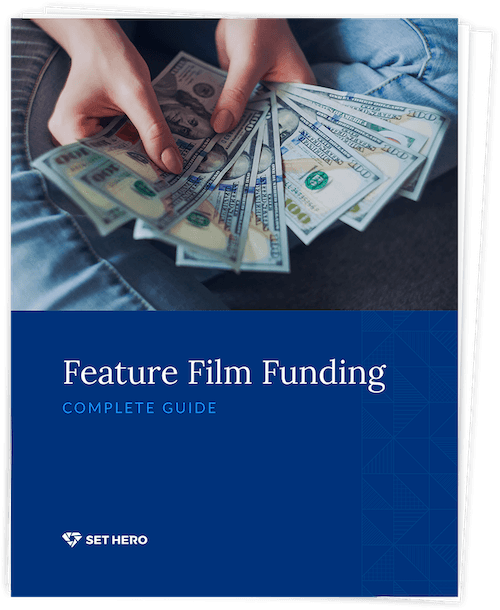
- Format
- Pages
- 10-page guide
- Best for
- First-time feature producers
- License
- Free for personal use
Why this guide
Every indie feature is funded by a combination of sources.
There is no single way to fund a feature film. The films that get made are usually patched together from three or four sources — a small crowdfund, a private investor, a grant, a tax credit — each with its own paperwork and its own expectations.
This guide walks through the ten most common methods, in order from lowest to highest risk. The goal is not to recommend one path; it is to make sure you know which paths exist, what each one demands of you, and what to prepare before you ask.
What it looks like
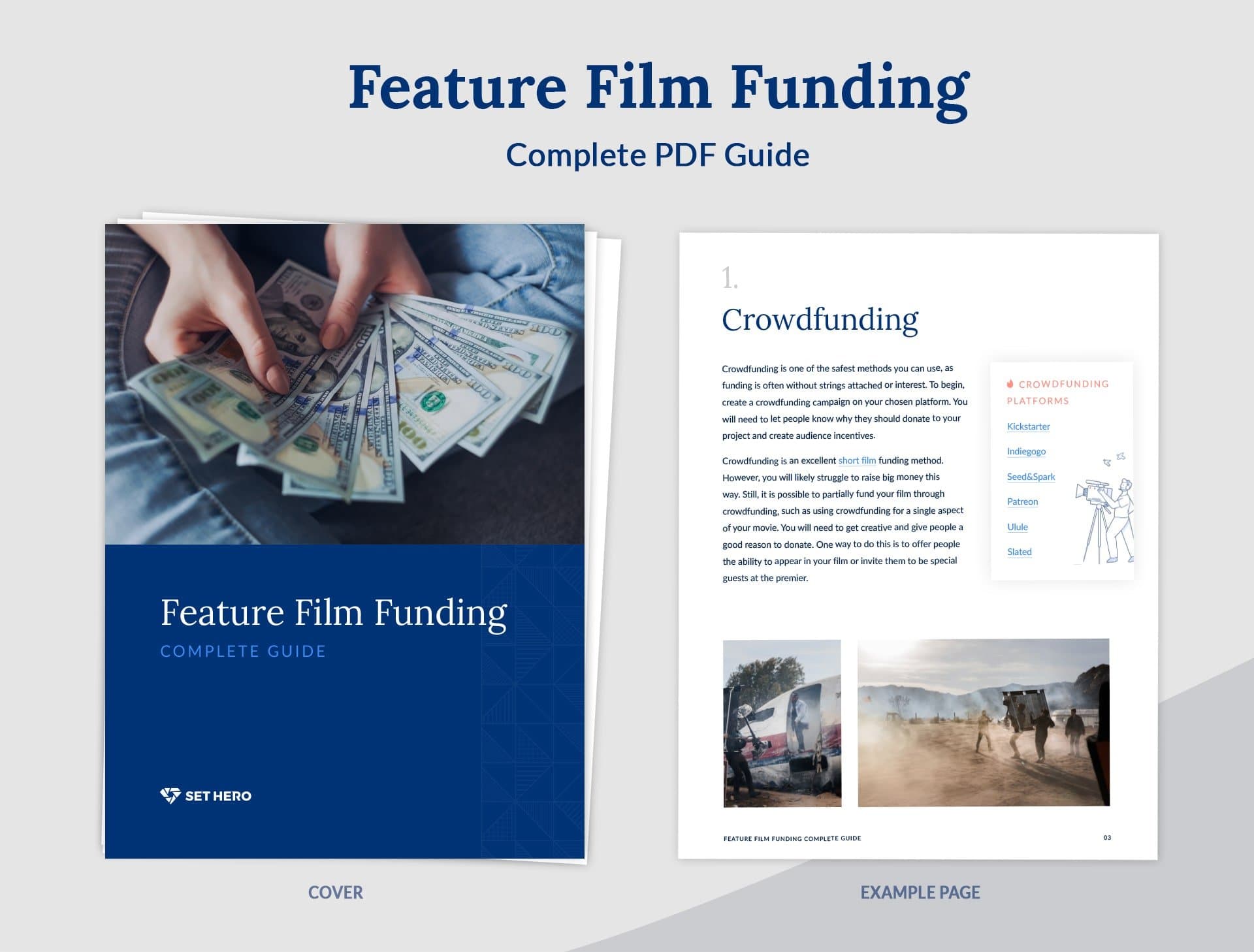
Twenty-eight pages, ten methods, one workflow.
Designed and typeset like a serious financing document — share it with a partner, print it for your producing team, send it to a friend who's about to ask their first investor.
Plain-English explanations
Each method described in language that holds up in a real conversation, not a textbook.
Per-method checklists
What to prepare, what to ask, and what to watch for — in every section.
Risk-ordered structure
Methods ordered lowest to highest risk so you start where the math is friendliest.
Print-ready
Properly typeset PDF — share digitally or print for your producing partner.
Inside the guide
Ten methods, lowest to highest risk.
Each section lays out how the method works, what it demands, and what to prepare before you ask.
Lower-risk methods
1. Crowdfunding
Kickstarter, Indiegogo, Seed&Spark, Patreon — best for partial funding or specific phases.
2. Private investors
Friends-and-family money, with documentation.
3. Equity
Standard equity deals and the paperwork an entertainment lawyer will want to see.
4. Filmmaking grants
Foundation, festival, and regional grants — and the strict criteria each one demands.
5. Product placement
Brand integrations as a partial or supplemental finance source.
Higher-risk methods
6. Tax incentives
State-by-state programs and how to structure a production to qualify.
7. Pre-sale distribution
Selling territory rights before delivery; what a sales agent will want.
8. Negative pickup
Distributor commits to acquire on delivery; producer finances the gap.
9. Bank loans
Production loans against collateral — pre-sales, tax credits, or equity.
10. Gap financing
High-interest short-term capital for the gap between budget and committed funds.
- 01
Comprehensive
Ten financing methods in one document — from the safest crowdfund to the most leveraged gap loan.
- 02
Professional
Written for a working producer, not a film-school class. The checklist works whether you're at $250k or $5M.
- 03
Beautiful
Hand-laid, properly typeset, and good enough to share with an investor who hasn't read a deck before.
- 04
Free
Download, print, send to your producing partner. No paywall.
Pair it with
All templates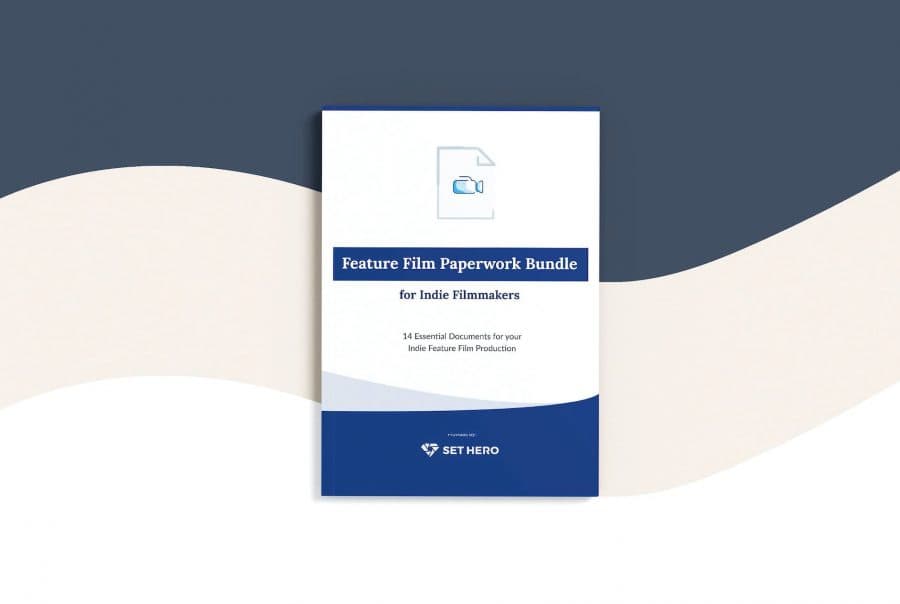
Bundle
Feature Film Paperwork Bundle
Every contract, release, and report a feature production needs in one folder. Built from the same paperwork our team uses on union and non-union features.
Reference
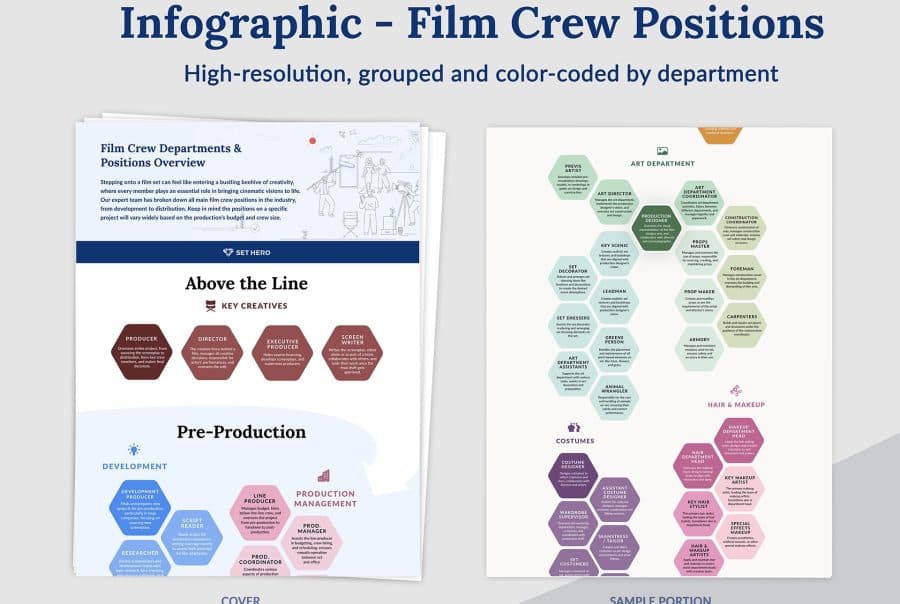
Film Crew Departments and Positions
A printable infographic mapping every department and position on a typical feature crew. Useful for new producers and first-time ADs.
Pre-Production
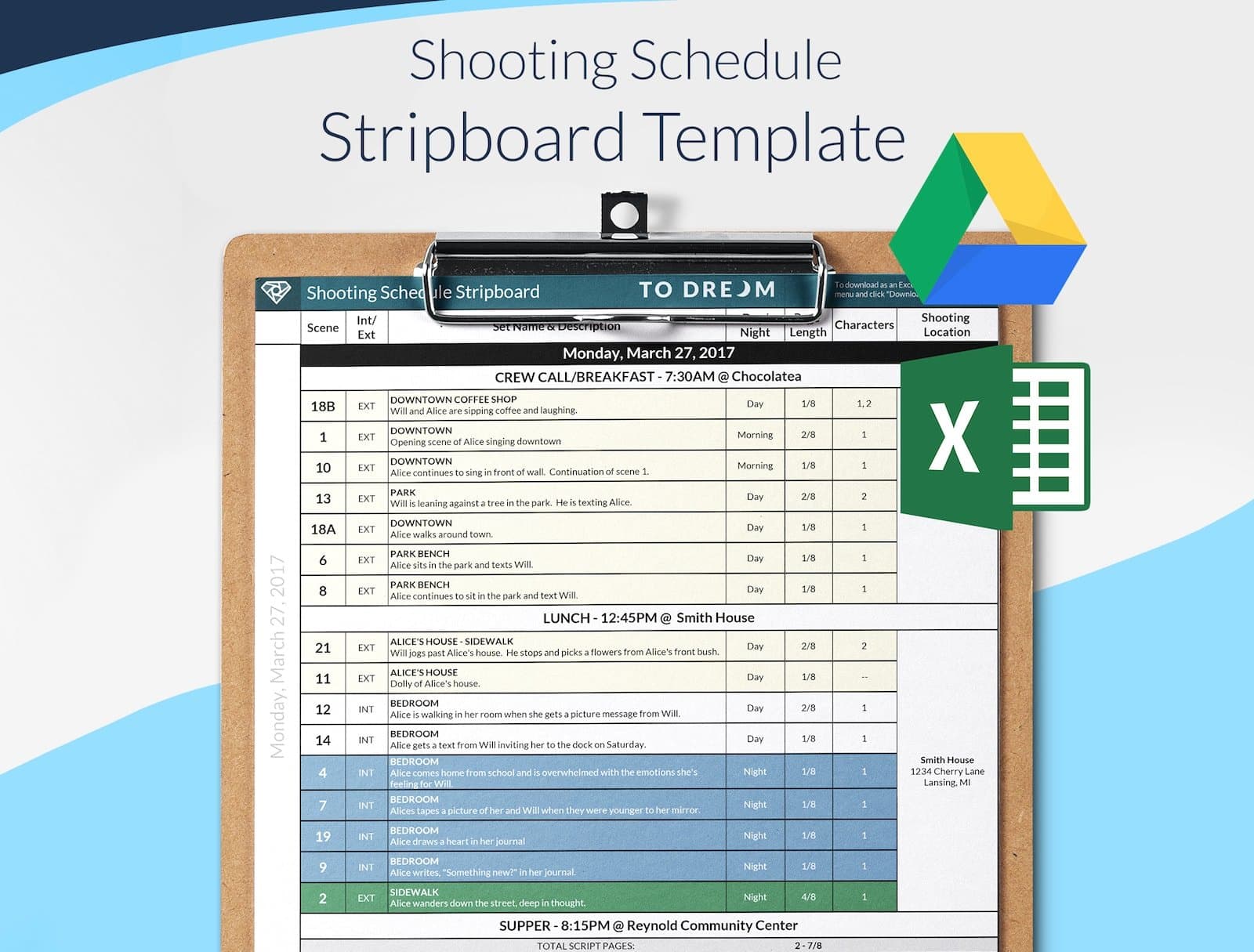
Professional Stripboard Template for Excel
Color-coded strips, day breaks, and DOOD links — the digital stripboard for teams that do not want to pay for Movie Magic.